
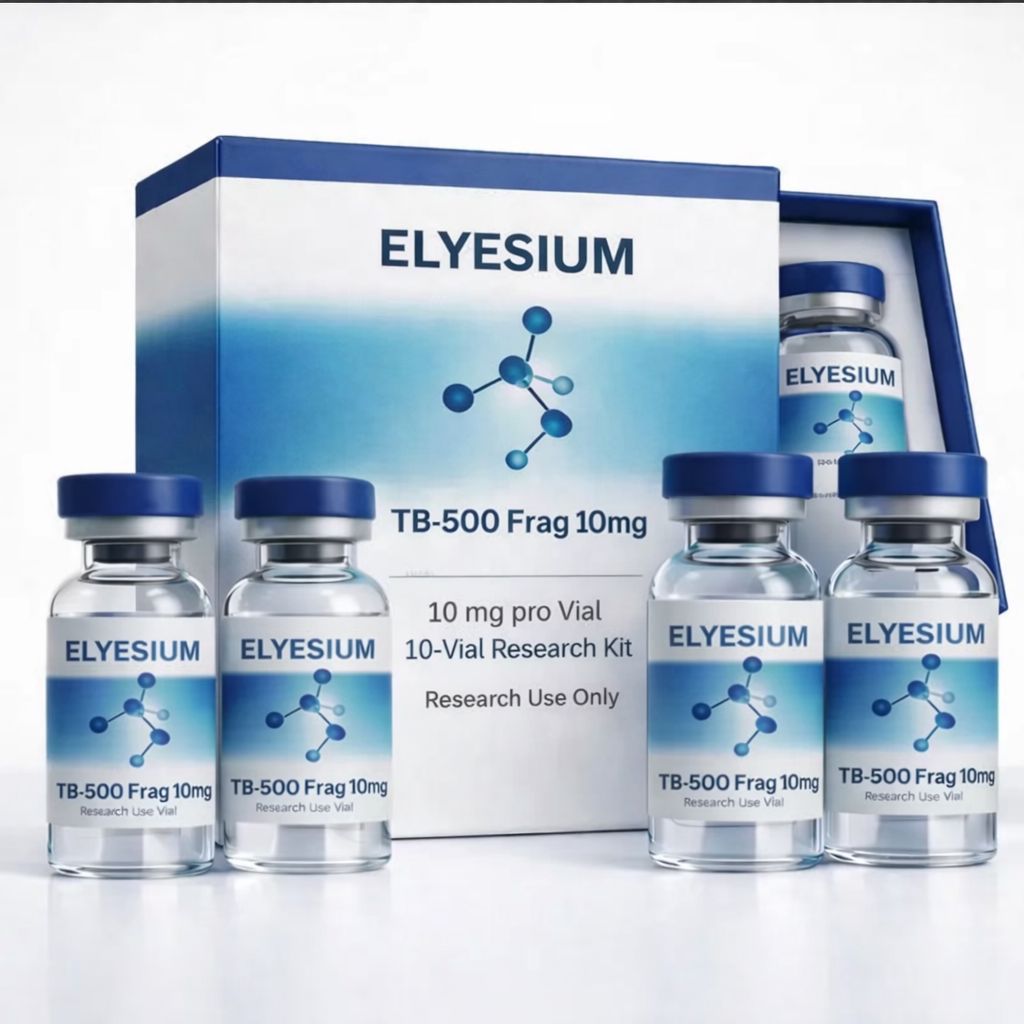
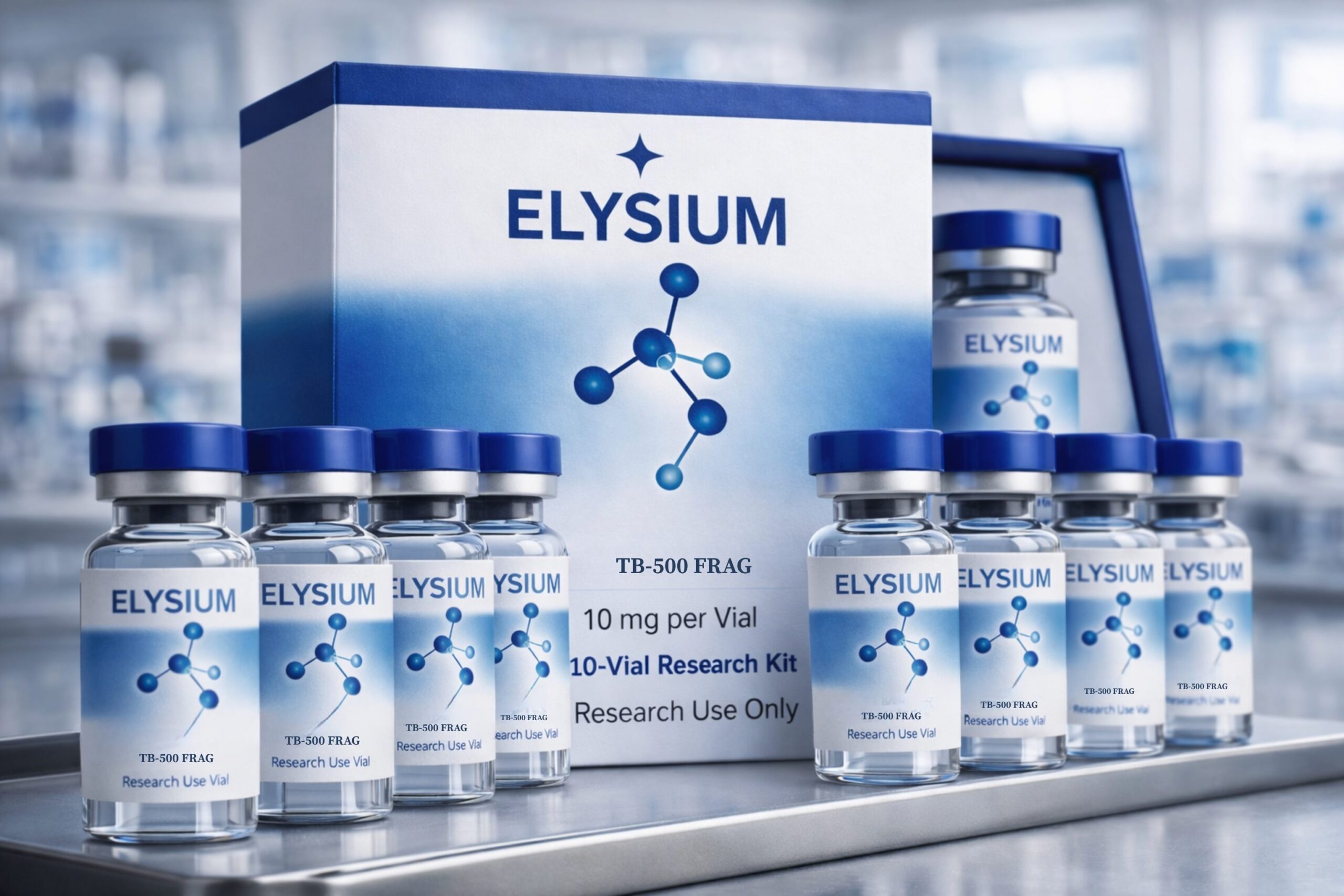
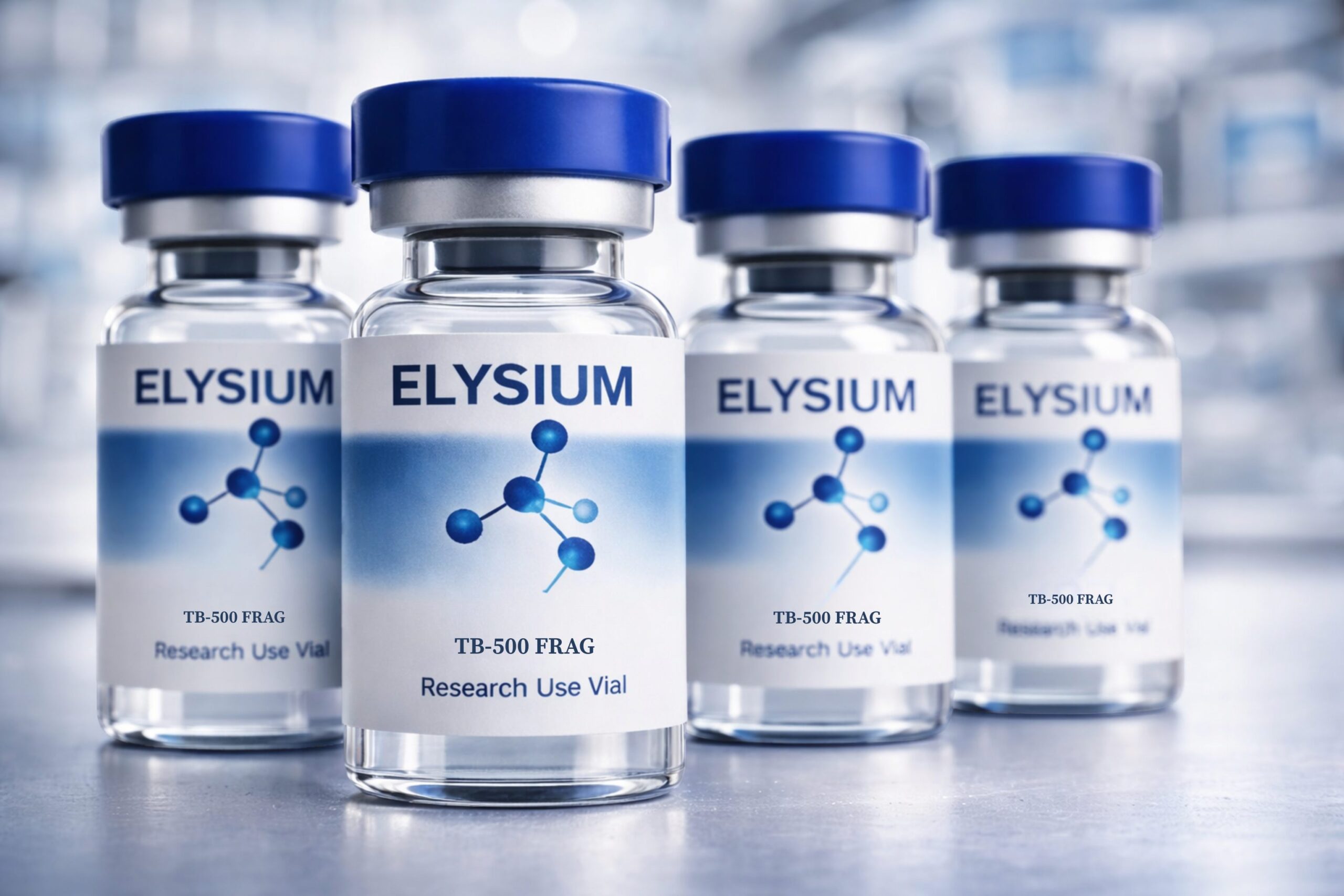
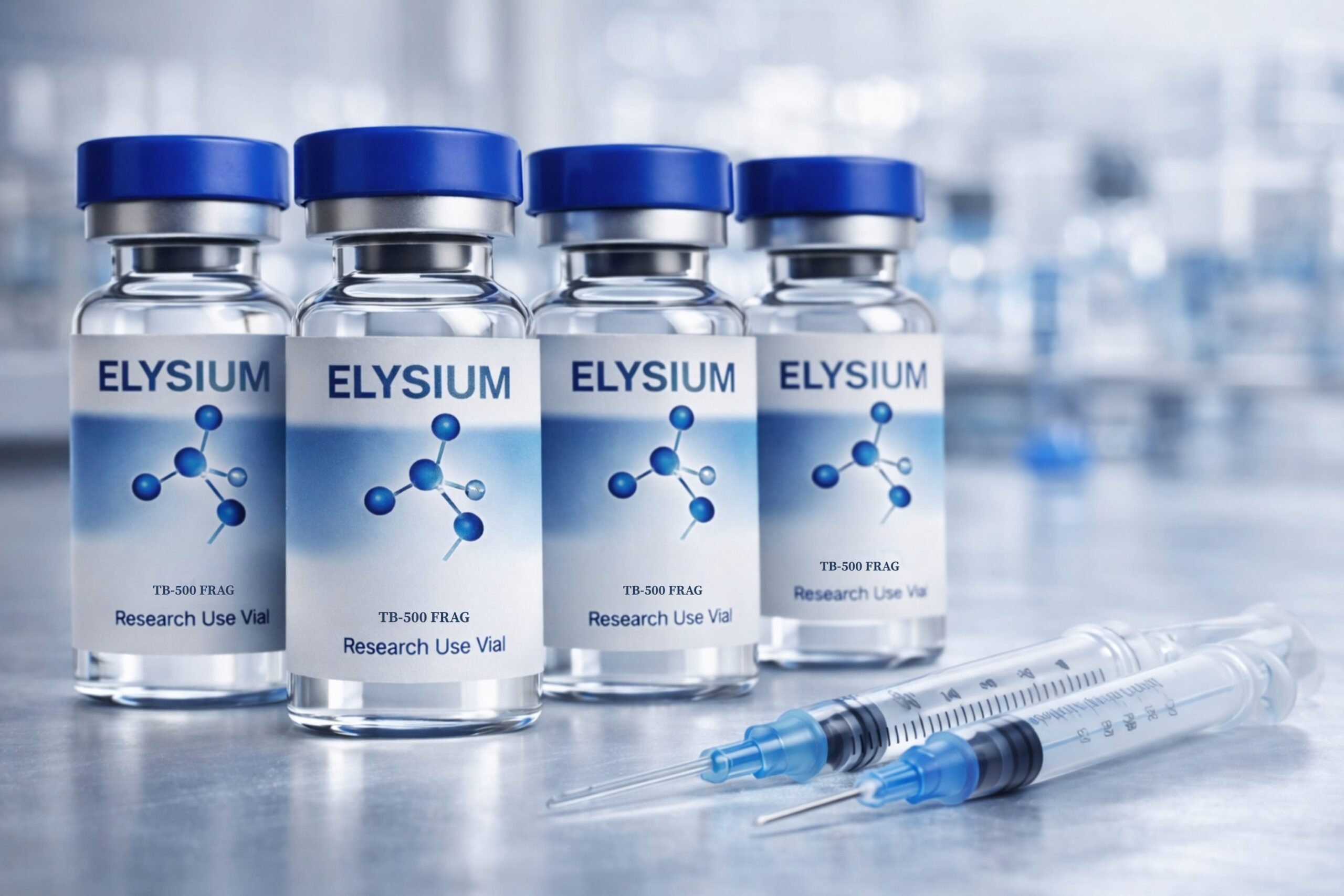
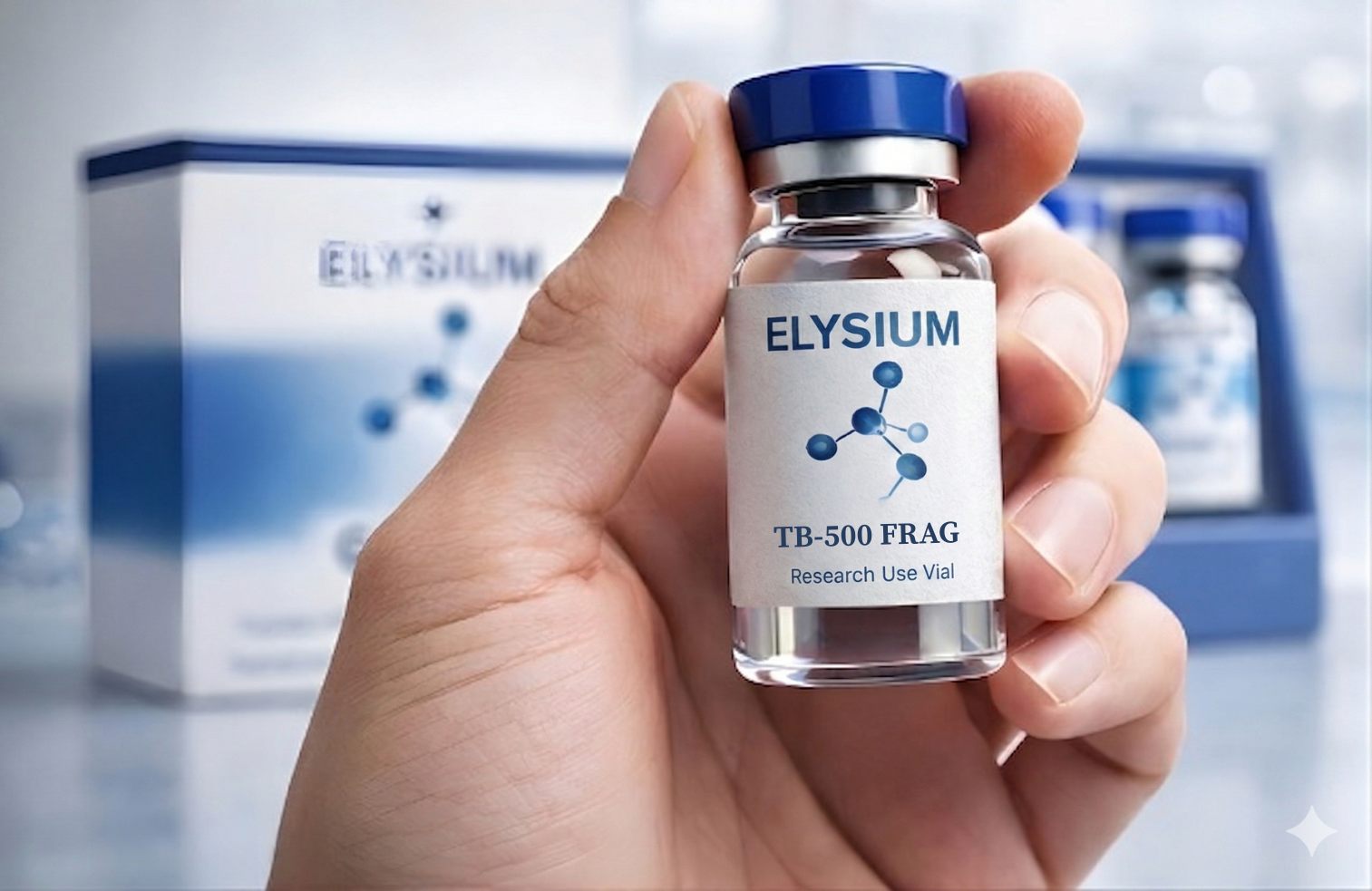

TB-500 Frag
TB-500 Frag is a synthetic fragment derived from Thymosin Beta-4, designed to isolate and study specific functional regions of the full peptide. In research environments, it is investigated for its role in cellular migration, tissue regeneration, and biological repair mechanisms.
Within laboratory models, TB-500 Frag is commonly explored for its interaction with actin-binding pathways, which play a key role in cell movement, structural organization, and tissue remodeling. This makes it particularly relevant in studies focused on healing processes and cellular response to injury.
Researchers often utilize TB-500 Frag in experimental settings examining targeted regenerative pathways, localized tissue repair, and cellular signaling, offering a more focused approach compared to the full-length peptide.
Due to its fragment-based structure, TB-500 Frag is frequently used in controlled laboratory studies exploring specific biological functions related to cell migration and tissue-level responses.
Key Research Characteristics
- Fragment of Thymosin Beta-4 studied for targeted activity
- Associated with cell migration and actin regulation pathways
- Investigated in tissue repair and regenerative models
- Explored in cellular movement and structural signaling studies
- Used in experimental regenerative and biological research
Product Specifications
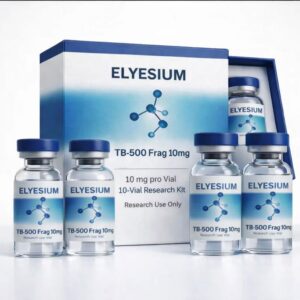
Compound Name: TB-500 Frag (Thymosin Beta-4 Fragment)
Compound Type: Synthetic Peptide Fragment
Available Vial Size: 10mg
Format: Lyophilized Powder
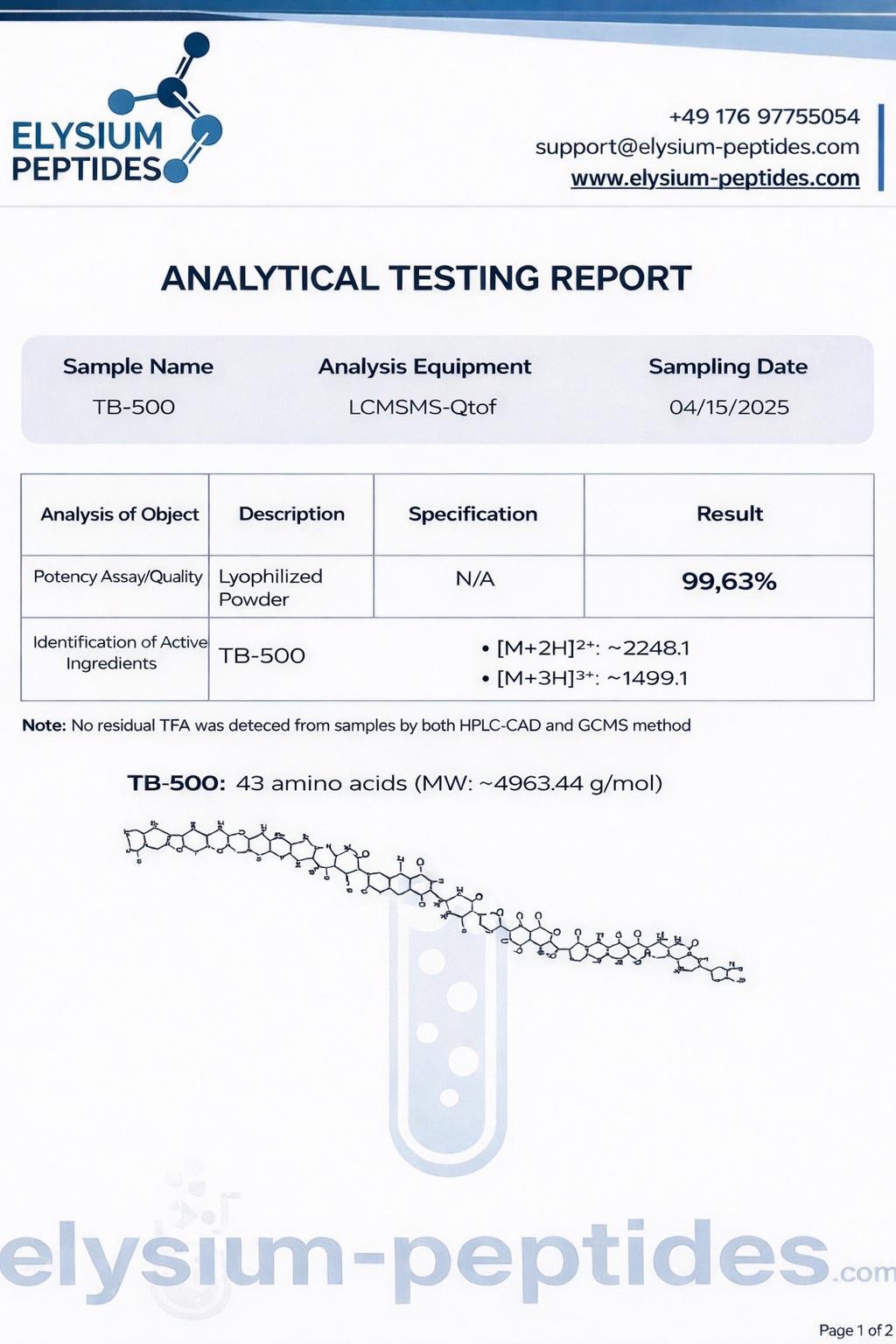
Purity: ≥99% (Research Grade)
Storage: Refrigerate at 2–8°C and protect from direct light.
Storage Instructions
TB-500 Frag should be stored in a refrigerated environment between 2–8°C to maintain stability. After reconstitution, the solution should remain refrigerated and handled according to proper laboratory protocols.
Research Disclaimer
This product is intended strictly for laboratory research and analytical purposes only. It is not intended for human consumption, medical use, or veterinary application. All research must be conducted by qualified professionals in controlled laboratory environments.
Kyle N. (verified owner) –
Third order from the Boston facility. Consistent 3-day delivery to Illinois. Purity verified at 99.1% on this batch. The 10-vial bulk pricing is the best value in the US market — not even close.
Batch #ELY-TB5-2026-0261Chicago, USA
Andrew Pemberton (verified owner) –
Three orders of TB-500 Frag. Every batch independently confirmed above 99%. Melbourne dispatch is same day before 2PM — I have tested this multiple times. Reliable, transparent, best priced in Australia.
Batch #ELY-TB5-2025-0183Melbourne, AU
Ryan B. (verified owner) –
Ships to NZ from Melbourne. 3 days delivery. The price difference between buying 10 vials here vs single vials locally is significant. COA confirmed 99.2%. This will be my regular supplier.
Batch #ELY-TB5-2026-0293Auckland, NZ
Matt J. (verified owner) –
Four orders of TB-500 Frag. Every batch has come back at 99%+ on my independent verification. The Melbourne dispatch means I get it in 2 days. Nobody else in Australia is doing this at this price and quality.
Batch #ELY-TB5-2026-0312Melbourne, AU
Christopher Waverly (verified owner) –
Switched from an overseas supplier. Elysium ships from Melbourne — 2 days to Sydney versus 3 weeks internationally. Batch verified at 99.2%. Price per vial is lower than what I was paying overseas.
Batch #ELY-TB5-2026-0212Sydney, AU
Chris R. (verified owner) –
Switched from my previous supplier after a friend recommended Elysium. The difference is the verification system — I can check every batch before I even use it. TB-500 Frag quality is exceptional.
Batch #ELY-TB5-2026-0298Sydney, AU
Harrison Blackwell (verified owner) –
Second order from the Basel facility. UK delivery in 3 days consistently. TB-500 Frag purity confirmed 99.1% on this batch. The public COA system is what separates Elysium from every other supplier.
Batch #ELY-TB5-2026-0228Manchester, UK
Phil H. (verified owner) –
Ordered from the Basel location. UK delivery in 3 days — faster than expected. The HPLC-MS results were detailed and professional. Price for 10 vials is significantly better than any UK supplier I found.
Batch #ELY-TB5-2026-0276London, UK
Jack T. (verified owner) –
Did a lot of research before my first order. The independent test results page and batch verification system sealed the deal. Arrived in 2 days from Melbourne. COA confirmed 99.2% purity. Impressed.
Batch #ELY-TB5-2026-0305Brisbane, AU
Nicholas Stafford (verified owner) –
Did extensive research before ordering. The independent lab results page and batch verification system were the deciding factors. Arrived in 2 days from Melbourne. COA confirmed 99.0%.
Batch #ELY-TB5-2026-0244Brisbane, AU
Alex F. (verified owner) –
Second order. Perth delivery in 4 days from Melbourne — solid. Batch verified at 99.0% — consistent with my last order. Packaging is secure and professional. This is my go-to supplier.
Batch #ELY-TB5-2026-0319Perth, AU
Tara F. (verified owner) –
Only supplier I have found in Australia that publicly verifies every batch before sale. Purity confirmed 99.2% on batch ELY-TB5-2026-0276. Delivery to Brisbane was 2 days. Outstanding.
Batch #ELY-TB5-2026-0276Brisbane, AU
Mark D. (verified owner) –
Ordered from the UK. Arrived in 5 days — surprisingly fast. The HPLC-MS report on the batch verification page was thorough and matched what my own test confirmed. Will order again without hesitation.
Batch #ELY-TB5-2026-0276London, UK
Dominic Ashworth (verified owner) –
Second order. Perth delivery in 4 days. Batch verified at 99.1% — consistent with my first order. The discreet packaging is important for my work and Elysium delivers on that every time.
Batch #ELY-TB5-2026-0271Perth, AU
George S. (verified owner) –
Fifth order. At this point I do not even look at other suppliers. Consistent purity, consistent delivery, consistent pricing. The batch verification gives me confidence every time. This is what loyalty looks like.
Batch #ELY-TB5-2026-0328Melbourne, AU
Chloe R. (verified owner) –
Fourth order this year. Purity consistently at 99.1–99.3% across every batch. $28.90 per vial is the best per-unit price I have found anywhere. Support team is responsive and knowledgeable.
Batch #ELY-TB5-2026-0308Adelaide, AU
Jason H. (verified owner) –
Ships from Melbourne to NZ in 3 days consistently. Previous suppliers took 2 weeks from overseas with no verification. This is a completely different experience — transparent, fast, properly priced.
Batch #ELY-TB5-2026-0294Auckland, NZ
Priya N. (verified owner) –
Was sceptical about ordering bulk. Verified the batch — ELY-TB5-2026-0288 — before placing the order. 99.3% purity. Ordered immediately. Arrived in 2 days from Melbourne. Impressed.
Batch #ELY-TB5-2026-0288Perth, AU
Luke S. (verified owner) –
Third order. Every batch has tested above 99%. The fact I can verify the exact batch I received before I even use it is exactly what a research supplier should offer. Fast Melbourne dispatch.
Batch #ELY-TB5-2026-0315Brisbane, AU
Megan T. (verified owner) –
Switched from a single-vial supplier and the savings are significant. 10 vials at this purity level for under $300 is genuinely exceptional. Verified batch online before opening — 99.2% confirmed.
Batch #ELY-TB5-2026-0289Sydney, AU
Chris B. (verified owner) –
Best TB-500 source I have found in Australia. Batch ELY-TB5-2026-0301 came back at 99.1% on my independent test. Ships same day and arrives fast. Ordering again this week.
Batch #ELY-TB5-2026-0301Melbourne, AU